
Home security is one of the most important responsibilities you'll face as a homeowner in Ridgewood, NJ. While many people invest in alarm systems and surveillance cameras, the foundation of any secure home starts with proper lock maintenance, key management, and understanding when to call a professional locksmith. At Ridgewood NJ Locksmith, we've seen firsthand how simple preventative measures can make the difference between a secure home and a vulnerable one. Whether you're a new homeowner on Heights Road or you've lived in Bergen County for decades, these locksmith safety tips will help you protect your property, family, and valuables from potential security threats.
Understanding Your Home's Lock Security Basics
Before diving into specific safety tips, it's crucial to understand the fundamentals of residential lock security. Not all locks are created equal, and the type of lock you have on your doors can significantly impact your home's overall security profile.
Deadbolts are your first line of defense and should be installed on all exterior doors. A quality deadbolt extends at least one inch into the door frame, making it extremely difficult for intruders to force open. Single-cylinder deadbolts work well for most applications, but if your door has glass panels nearby, consider a double-cylinder deadbolt that requires a key from both sides.
The strike plate—the metal piece attached to your door frame where the bolt enters—is equally important. Many homes come with builder-grade strike plates held in place by short screws. Upgrading to a heavy-duty strike plate with 3-inch screws that anchor into the wall studs can dramatically increase your door's resistance to kick-in attempts.
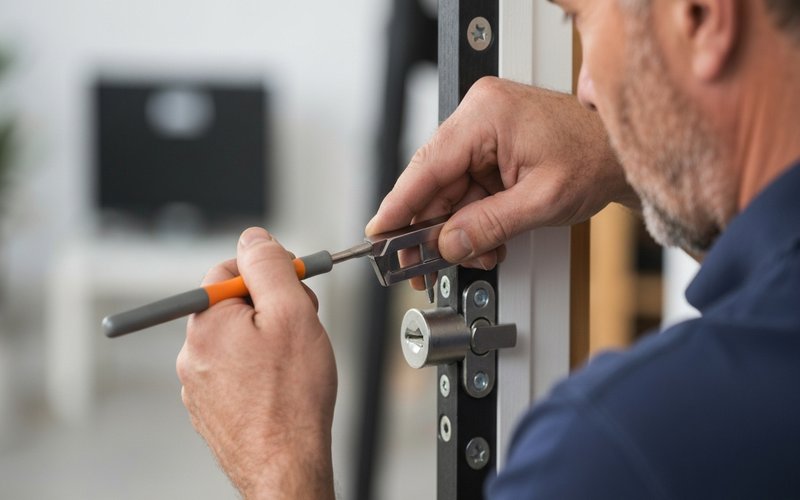
Your door's construction matters too. Even the best locks won't protect you if your door is hollow-core or poorly maintained. Solid wood or metal doors provide the structural integrity needed to support high-security locks and withstand forced entry attempts.
Key Management: Protecting Your Physical Access Points
One of the most overlooked aspects of home security is proper key management. Your keys are literal access points to your home, and treating them carelessly can compromise even the most sophisticated lock systems.
Never hide spare keys in obvious outdoor locations. That fake rock in your garden or the key under the doormat? Burglars know about these hiding spots and check them routinely. Instead, consider giving a spare key to a trusted neighbor or family member who lives nearby.
If you must have a spare key accessible, invest in a high-security lockbox mounted in a discreet location. These lockboxes use combination codes and are far more secure than traditional hiding spots. However, ensure the lockbox itself is of quality construction—cheap models can be easily broken or pried open.
Keep track of who has keys to your home. When you move into a new house in Ridgewood, you have no way of knowing how many copies of the keys exist or who might have them. Previous homeowners, their relatives, contractors, real estate agents, or cleaning services may all have copies floating around. The first thing you should do after purchasing a home is to have all the locks rekeyed or replaced.
Similarly, whenever a relationship ends, a roommate moves out, or you terminate an employee who had access to your home (such as a housekeeper or caretaker), it's time to rekey your locks. This relatively inexpensive service ensures that old keys no longer work, giving you peace of mind without the expense of replacing entire lock systems.
When to Rekey vs. Replace Your Locks
Understanding the difference between rekeying and replacing locks can save you money while maintaining optimal security. Rekeying involves changing the internal pins and springs of your existing lock so that old keys no longer work. This process is much less expensive than full lock replacement and works perfectly when your locks are in good condition but you need to control who has access.
Rekey your locks when:
- You've just moved into a new home
- You've ended a relationship with someone who had keys
- You've lost track of who has copies of your keys
- An employee with key access is terminated
- You want all your locks to work with the same key (master keying)
- The locks are old, worn, or malfunctioning
- You're upgrading to higher security standards
- The locks have been damaged during a break-in attempt
- You're switching to a smart lock or different lock type
- The current locks are outdated or don't meet modern security standards
Choosing a Trustworthy Locksmith: Red Flags and Green Flags
Knowing how to identify a legitimate, professional locksmith is a critical safety tip that protects you from scams and substandard work. Unfortunately, the locksmith industry has its share of fraudulent operators, particularly those advertising unrealistically low prices online.
Red flags to watch for:
- No physical business address (only a P.O. box or no address listed)
- Answering the phone with a generic "locksmith services" instead of a company name
- Unmarked vehicles without company branding
- Significant price increases once the technician arrives
- Insisting on drilling out locks when other methods would work
- Requesting full payment in cash only
- Unwillingness to provide identification or proof of licensing
- No written estimate before beginning work
- Established local business address (like our location at 122 Heights Rd, Ridgewood, NJ)
- Branded vehicles and uniformed technicians
- Clear pricing structure explained upfront
- Proper licensing and insurance documentation
- Positive reviews from local customers
- Membership in professional organizations
- Willingness to provide written estimates
- Established presence in the community
Understanding Common Locksmith Costs in New Jersey
Many homeowners wonder about locksmith pricing, and understanding typical costs helps you identify both fair pricing and potential scams. In New Jersey, locksmith costs vary based on the service required, time of day, and complexity of the job.
Standard service call fees in the Ridgewood area typically range from $75 to $150 during regular business hours. This covers the locksmith's travel time and initial assessment. Emergency services during nights, weekends, or holidays may include an additional surcharge, often 50% to 100% more than standard rates.
Rekeying services generally cost $20 to $50 per lock, with discounts often available when you're rekeying multiple locks at once. Full lock replacement varies widely depending on the type and quality of lock, ranging from $100 to $300 per lock including installation.
For lockout services, expect to pay $75 to $200 depending on the time of day and complexity of the lock. Residential lockouts are typically less expensive than commercial or automotive lockouts.
High-security lock installation, smart lock setup, and master key systems command premium pricing due to the specialized expertise required. These services can range from $200 to $500 or more, but the enhanced security often justifies the investment.
While it's tempting to choose the cheapest quote, remember that you're paying for expertise, quality materials, and peace of mind. Extremely low quotes often lead to hidden fees or substandard work that may compromise your security.
Emergency Preparedness: Handling Lockout Situations Safely
Even with the best key management practices, lockouts happen. Being prepared for these situations helps you respond safely and cost-effectively.
First, assess whether it's truly an emergency. If you're locked out but have time, you can often save money by waiting for standard business hours rather than paying emergency rates. However, if you're locked out in unsafe weather conditions, at night in an unfamiliar area, or if children or pets are inside, don't hesitate to call for emergency service.
Before calling a locksmith during a lockout, check all other entry points. A ground-floor window you forgot to lock might provide safe entry without requiring professional assistance. However, never attempt to break windows or force doors yourself—you could injure yourself or cause expensive damage that far exceeds locksmith fees.
Never attempt amateur lockpicking or lock manipulation techniques you've seen online. These methods rarely work on modern locks and often cause damage that makes the locksmith's job more difficult and expensive. Drilling out locks should always be a last resort performed only by professionals.
For families with children, establish a lockout protocol before it's needed. Teach older children what to do if they're locked out, including which trusted neighbors to contact and never to accept help from strangers offering to break in.
Upgrading Your Home Security: Modern Lock Technologies
While traditional key-and-lock systems remain effective, modern technology offers additional security layers that many Ridgewood homeowners find valuable.
Smart locks provide keyless entry through smartphone apps, PIN codes, or biometric scanners. These systems offer significant advantages, including the ability to grant temporary access to guests or service providers without creating physical keys, receive notifications when doors are locked or unlocked, and integrate with comprehensive home security systems.
However, smart locks aren't perfect for every situation. They require regular battery maintenance, may be vulnerable to hacking if not properly configured, and can malfunction during power outages or Wi-Fi disruptions. Many security experts recommend using smart locks in conjunction with traditional deadbolts rather than as complete replacements.
Keyless entry systems using PIN codes offer a middle ground between traditional locks and fully smart systems. They eliminate concerns about lost or copied keys while remaining operational during power outages and network failures.
For homeowners seeking maximum security, high-security lock cylinders with restricted keyways provide superior protection against picking, drilling, and unauthorized key duplication. These systems require special keys that can only be copied with proper authorization, giving you complete control over key distribution.
Seasonal Lock Maintenance: Preventing Problems Before They Start
Regular lock maintenance prevents inconvenient failures and extends the life of your security hardware. New Jersey's varying weather conditions can be particularly harsh on locks, making seasonal maintenance especially important for Ridgewood homes.
In fall and winter, protect your locks from freezing by applying graphite lubricant (never oil-based products, which can gum up in cold weather) to key cylinders. If a lock does freeze, never force your key, as it may break inside the cylinder. Instead, warm the key with your hands or a lighter before inserting it, or use a lock de-icer spray.
Spring is an excellent time to inspect all locks for winter damage. Check that deadbolts extend smoothly, keys turn without excessive force, and strike plates remain securely fastened. Tighten any loose screws and replace worn weather stripping that may allow moisture to reach lock mechanisms.
Summer humidity can cause wooden doors to swell, misaligning locks and making them difficult to operate. If you notice your locks becoming harder to use during humid months, the issue may be door alignment rather than lock failure. A professional locksmith can assess whether lock adjustment or door realignment is needed.
Year-round, clean your locks periodically by wiping down exterior surfaces and removing debris from keyholes with compressed air. Avoid spraying WD-40 or similar products directly into lock cylinders, as these attract dirt and can cause internal mechanisms to fail.
Protecting Your Home During Life Transitions
Certain life events require immediate attention to your home's lock security. Being proactive during these transitions prevents security vulnerabilities.
After a divorce or separation, rekey all locks immediately, even if the relationship ended amicably. Emotions and circumstances can change, and protecting your security shouldn't depend on trusting an ex-partner's intentions indefinitely.
When terminating household employees such as housekeepers, nannies, or caregivers, rekey within 24 hours. Even trustworthy individuals may have shared key access with others, or may have created unauthorized copies.
Following a burglary or break-in attempt, replace or rekey all locks, even if the intruder didn't appear to take keys. Sophisticated burglars may photograph keys or create impressions to return later. Additionally, upgrade to higher-security locks, as your home has been identified as a target.
If you've lost your keys in a public place where they could be associated with your address (such as dropping them near your home or in a bag containing identifying information), rekey immediately. The risk of someone finding your keys and identifying your address is small but the consequences are serious.
When college students return home for breaks, collect any keys they're not actively using and verify that any friends or roommates who may have had access no longer have keys to your Ridgewood home.
Teaching Children About Lock and Key Safety
Educating children about home security creates security-conscious family members while preventing common key-related problems.
For younger children receiving their first house key, emphasize that keys should never be shown to others, discussed at school, or labeled with your address. Consider attaching keys to the inside of backpacks rather than displaying them on exterior loops or lanyards.
Teach children never to open doors to strangers, even if the person claims to be locked out or says they know the parents. Establish a family code word that genuine family friends would know if they legitimately need access during an emergency.
Older teenagers should understand the serious security implications of losing keys or lending them to friends. Many burglaries occur because teenagers allow acquaintances into homes while parents are away, sometimes leading to later break-ins when those individuals remember valuable items.
Create clear protocols for what children should do if they arrive home to find a door already unlocked or ajar. They should never enter but instead go to a predetermined neighbor's house and call parents or police.
The Relationship Between Locks and Home Insurance
Your lock security can directly impact your homeowner's insurance premiums and claim eligibility. Understanding this connection helps you make informed security investments.
Many insurance companies offer premium discounts for homes with high-security locks, monitored alarm systems, or comprehensive security upgrades. When upgrading your locks, obtain documentation from your locksmith detailing the security improvements, which you can submit to your insurance provider for potential discounts.
Conversely, failure to maintain adequate lock security may affect claim outcomes. If a burglary occurs through an unlocked door or a lock that wasn't properly secured, insurance companies may reduce or deny claims based on homeowner negligence.
Some insurance policies specifically require deadbolts on all exterior doors or may mandate lock replacements after moving into a previously owned home. Review your policy documents or contact your insurance agent to understand your policy's specific requirements.
After any security upgrade, inform your insurance company. Not only might you qualify for reduced premiums, but documenting these improvements creates a record that can support claims if future incidents occur.
Professional Locksmith Services vs. DIY Solutions
With numerous YouTube tutorials and DIY lock installation kits available, many homeowners wonder whether professional locksmith services are necessary. Understanding when DIY is appropriate and when professional expertise is essential protects both your security and your wallet.
Simple tasks like changing batteries in electronic locks or applying lock lubricant are perfect DIY projects that save service call fees. However, anything involving lock installation, rekeying, or repair of internal mechanisms should be left to professionals.
Improper lock installation is one of the most common security vulnerabilities we encounter. Locks installed at incorrect heights, with inadequate strike plate reinforcement, or with misaligned components provide a false sense of security while leaving your home vulnerable. Professional locksmiths ensure proper installation that actually provides the security protection you're paying for.
Attempting to rekey locks yourself without proper training and tools almost inevitably results in damaged lock mechanisms that must be fully replaced—turning a $30 rekey job into a $200 replacement. The specialized tools required for professional rekeying aren't practical purchases for one-time use.
For high-security locks, smart lock systems, and commercial-grade hardware, professional installation isn't just recommended—it's often required to maintain warranty coverage. Manufacturer warranties typically become void if installation isn't performed by certified locksmiths.
Frequently Asked Questions About Locksmith Services
How much does a locksmith cost per hour? Locksmiths typically don't charge pure hourly rates but rather price services by the job. In